
 June 9, 2026
 Commercial Window Repair, Glass Replacement Vancouver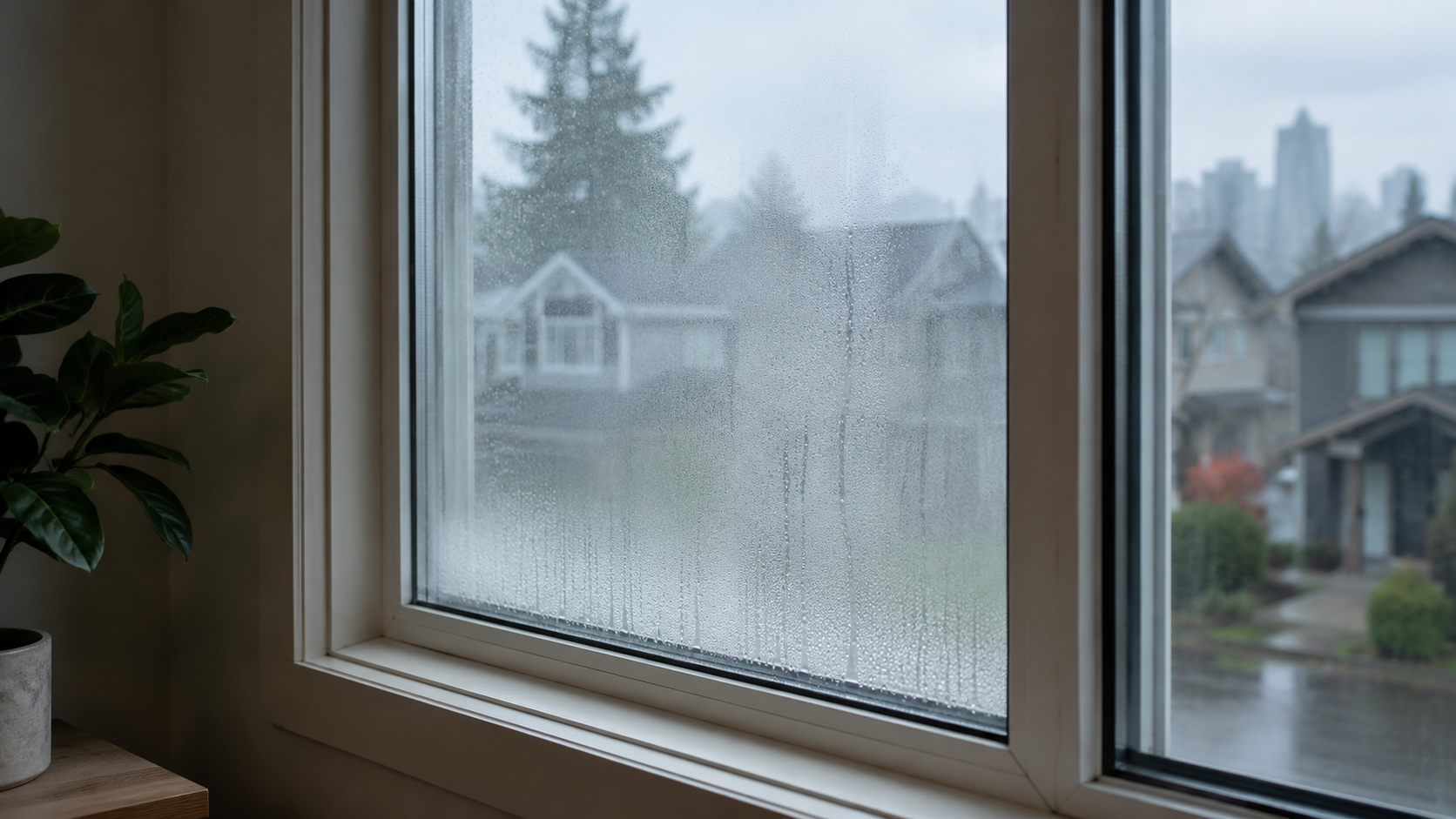
A cracked pane on a storefront, a foggy office window, a glass door that took a hit overnight — every business deals with damaged glass eventually, and the first question is almost always the same: do we fix it or replace it? It sounds like a simple choice. In practice it’s one of those decisions where the obvious answer is often the wrong one. Repairing something that should be replaced can leave you with a recurring problem and a wasted invoice; replacing something that only needed a minor fix means spending money you didn’t have to.
For commercial property owners, retail managers, and strata councils in Vancouver, getting this call right matters more than it does for a single home, because the glass is usually larger, more visible, and tied to security, energy costs, and the impression your business makes on every person who walks past. This guide walks through how the decision is actually made — the factors professionals weigh, the scenarios that point one way or the other, and the local realities that affect glass here on the coast. The goal is that by the end you can look at your own situation and know, with reasonable confidence, whether you’re looking at a repair or a replacement before you ever pick up the phone.
If the damage is cosmetic and shallow — a light surface scratch or a small chip away from the edges — a repair or restoration is often possible. If the glass is cracked, shattered, fogged between the panes, structurally compromised, or made of tempered safety glass that has broken, you’re almost always looking at replacement. Everything else lives in the middle, and that’s where the rest of this article helps.
It’s worth defining terms, because people use them loosely. A repair addresses damage without removing the whole pane — polishing out a shallow scratch, filling and stabilizing a small chip, re-securing loose framing or hardware, or fixing a seal or gasket. Replacement means the damaged glass comes out and new glass goes in, whether that’s a single pane in a frame, an entire insulated unit, or a full storefront section.
The important thing to understand up front is that glass, unlike a wall or a floor, has very little tolerance for partial fixes once it’s truly damaged. A crack in glass is under tension and tends to keep travelling. That’s why so many “repairs” that look like savings on day one become replacements within a few months anyway.
Before any other factor, identify the glass. This single question resolves a surprising number of cases on its own.
Tempered (toughened) glass is heat-treated for strength and safety, and it’s everywhere in commercial settings — entrance doors, partitions, large panels. Its defining trait is that when it fails, it shatters into many small, relatively blunt pieces rather than dangerous shards. The flip side: tempered glass cannot be cut or meaningfully repaired after manufacturing. If a tempered panel is cracked or broken, it must be replaced. There’s no in-between.
Laminated glass sandwiches a plastic interlayer between two glass layers, so it holds together when struck — which is why it’s used for security and safety glazing. Minor surface marks on the outer layer can sometimes be addressed, but anything that reaches the interlayer or compromises the structure means replacement.
Annealed (standard) glass is the most forgiving. Shallow scratches and small surface chips can sometimes be polished or filled — this is where genuine glass restoration is possible. But once annealed glass actually cracks, replacement is usually the safer choice because the crack will spread.
Insulated glass units (IGUs) are two or more panes sealed around a spacer with a gas fill for insulation. These are common in office windows and modern storefronts. Their most frequent failure isn’t breakage at all — it’s seal failure, which we’ll cover next. A failed IGU is replaced as a unit; you don’t “repair” the seal in place.
Knowing which of these you have turns a vague worry into a clear starting point. When the type isn’t obvious, a quick assessment from a glazing professional settles it.
Once you know the glass type, these are the considerations that tip the balance.
Type and severity of damage. Small, shallow, and away from the edges leans toward repair. Cracks, breaks, edge damage, and anything you can feel with a fingernail catching deeply lean toward replacement. Damage near the edge of a pane is especially significant, because edges carry stress and a chip there is far more likely to grow into a crack. For commercial window repair, a single deep crack across a large pane is rarely worth patching — the pane has lost its integrity.
Safety and security. A compromised storefront or door is not just an aesthetic issue; it’s an open invitation. If damaged glass leaves a property less secure overnight, the calculus shifts hard toward prompt replacement (and, in the meantime, a temporary board-up). For doors and entry points handling constant traffic, erring toward replacement removes a liability you don’t want sitting in your doorway.
Energy efficiency and the foggy-glass problem. This is the one most people get wrong. When you see condensation or a milky haze between the panes of an office window, the unit’s seal has failed and the insulating gas has escaped. No amount of cleaning fixes it, because the moisture is sealed inside, and no in-place repair restores the seal reliably. A fogged IGU has also lost much of its insulating value, which quietly raises heating and cooling costs — a real concern in Vancouver’s damp, variable climate where seal failure is common. There’s a comfort cost too: failed units run colder in winter and can sweat with condensation, which over time encourages mould around frames and makes a space feel less cared-for to staff and customers. The fix is replacing the unit. Treating fogging as a cleaning problem is the single most common wasted-effort mistake in commercial glass.
Appearance and your storefront’s first impression. For retail and customer-facing offices, glass is part of the brand. A patched, mismatched, or visibly repaired panel on storefront glass can read as neglect to passers-by, even when it’s structurally fine. People make quick judgments about a business from the outside in, and cloudy, taped, or obviously repaired glass sends a message no owner intends. If the glass is front-and-centre to customers, the bar for an invisible result is higher, and replacement is sometimes the right call purely on presentation grounds — the cost of a slightly cheaper but visible repair can be measured in the customers who walked past and decided the place looked closed or run-down.
Cost and long-term value. A repair almost always has a lower upfront price, which is exactly why it’s tempting. But the honest cost comparison isn’t repair versus replacement today — it’s the repair plus the odds it fails versus replacement once. If a crack is likely to spread, or a seal is likely to keep fogging, the cheaper option becomes the more expensive one. Consider a common scenario: an office with three foggy windows on the same elevation. Replacing them one at a time as each “gets bad enough” usually means three separate service visits, three lots of scheduling, and a building that never quite looks right in between. Handling the run together is often the better long-term value, even though the day-one number looks larger. Factor in energy savings from a properly sealed modern unit, the security value of sound glass, and the cost of doing the job twice, and replacement frequently wins on total value even when it loses on sticker price.
Age, matching, and availability. On older buildings, finding replacement glass that matches the existing panes in thickness, tint, and finish can be a project in itself. Sometimes that argues for repairing what’s there if it’s viable; other times it argues for replacing a whole run so everything matches. A professional can advise whether suitable replacement glass is readily available for your building.
General code and safety-glazing considerations. In certain locations — doors, sidelights, low panels, areas near walking surfaces — building codes generally require safety glazing such as tempered or laminated glass. As general guidance only, if older glass in one of these locations is damaged, replacement may also be the moment to bring that opening up to current safety-glazing expectations. A licensed glazier can tell you what applies to your specific situation; treat anything code- or insurance-related as a conversation to have with the right professional rather than a DIY judgment call.
Repair tends to make sense when the glass is fundamentally sound and the damage is minor and isolated. A few realistic examples:
In these cases, a competent repair restores function and appearance at a fraction of the cost, and there’s no good reason to replace healthy glass.
Replacement is usually the right answer when integrity, safety, insulation, or appearance is genuinely compromised:
When you’re weighing replacement glass against a stopgap repair in these situations, the replacement is the option that actually solves the problem instead of postponing it.
The same crack means different things in a shop window than in a back bedroom. Commercial glass is typically larger, more visible, more often made of tempered or laminated safety glass, and far more tied to security, foot traffic, and brand impression. A homeowner can sometimes live with a small flaw for a while; a retailer with a cracked storefront is losing trust with every customer who notices, and a strata building has shared-responsibility and appearance standards to uphold.
Office window repair also tends to involve insulated units and energy performance in ways a simple single-pane home window may not. Picture two versions of the same chip: in a spare bedroom it’s a minor annoyance someone deals with eventually; in a ground-floor retail unit on a busy street, that same chip sits at eye level for hundreds of potential customers a day and may sit in safety glazing that’s regulated. The glass is identical, but the stakes, the visibility, and the urgency are not. And because commercial properties often can’t simply close while glass is dealt with, scheduling, temporary security, and minimal disruption matter more. This is part of why many businesses lean on a glass company that handles both commercial and residential work — the commercial decisions carry weight a quick patch can’t bear, and the same provider can look after a manager’s storefront and their home with the same standard.
Some glass decisions don’t happen on a schedule. A break-in, an act of vandalism, a wind-driven branch, or an accidental forklift bump can leave a property exposed and unsafe in an instant. In an emergency, the immediate priority isn’t repair-versus-replace at all — it’s making the property safe and secure right now.
That usually means a temporary board-up or secure covering to protect the opening, followed by a proper assessment and the permanent fix once the situation is stable. A sensible order of operations in a glass emergency looks like this: make sure people are safe and away from broken glass first; secure the opening against weather and entry; document the damage with photos if there may be an insurance claim (treat the claim itself as a conversation with your insurer, not something to assume); and only then weigh repair versus replacement with a clear head. Broken tempered glass needs careful, safe cleanup because of the volume of small fragments; storefront glass facing the street needs to be secured against both weather and opportunists. This is exactly when fast response for urgent glass issues earns its keep — Wesco Glass provides emergency glass repair for situations like these, securing the property first and handling the lasting repair or replacement after. Trying to make a permanent decision in the middle of a crisis is a mistake; secure first, decide second.
A handful of avoidable errors come up again and again, and each one quietly adds to the bill.
The first is treating a foggy insulated unit as a cleaning problem. People wipe the inside surfaces, try defoggers, and lose weeks before accepting the seal has failed. Recognizing fogging for what it is saves that wasted effort.
The second is patching a crack to “get through the season.” Glass under tension rarely cooperates; a crack that’s there in spring is usually longer by summer, and the temporary patch becomes a full replacement plus the cost of the patch. If a pane is genuinely cracked, planning for replacement from the start is almost always cheaper than fighting it.
The third is ignoring edge chips. A chip in the middle of a pane is mostly cosmetic; a chip at the edge is a crack waiting to happen, because edges carry the stress. Catching edge damage early is one of the highest-value habits a facility manager can build.
The fourth is delaying security. A damaged door or storefront left exposed overnight is a risk that has nothing to do with the glass itself. Securing the opening promptly — even temporarily — should never wait on the repair-versus-replace decision.
And the fifth is matching the wrong glass on older buildings. Replacing a single pane with glass that doesn’t match the existing thickness, tint, or finish leaves a property looking patched even after a “proper” fix. On older storefronts especially, it’s worth confirming the match before the work, not after.
A little upkeep reduces how often you face this decision at all. Keep frames, tracks, and weep holes clean so moisture drains instead of pooling against seals — particularly important in a wet coastal climate. Address small chips early, before they grow into cracks. Don’t ignore a door that drags or a panel that rattles, since hardware problems stress the glass over time. Check seals and gaskets periodically for the first hints of fogging. And during cleaning, avoid abrasive pads or harsh scrapers that scratch the surface. None of this is glamorous, but it’s the difference between a long-lived glass installation and a recurring line item.
Before you commit, run through these:
If you’re still unsure after this, that uncertainty is itself a reason to get a professional assessment rather than guess.
Most of the time, the honest answer to “repair or replace?” is “it depends on what an experienced set of eyes sees in person.” A good glazier will identify the glass type, judge whether the damage is truly repairable, flag seal and security issues, and tell you when a repair would just be postponing a replacement. They’ll also catch the things that aren’t obvious from a phone photo — edge stress, framing problems, a unit that’s begun to fail but hasn’t fogged yet — which is precisely where guessing tends to go wrong. That’s the value of bringing in someone who does this every day.
Wesco Glass works with commercial and residential clients across the Vancouver area, handling commercial glass repair, storefront glass repair and replacement, window glass repair, door glass repair, glass replacement, and custom glass services for businesses, homes, offices, retail stores, and strata properties. Their technicians can assess what you’re dealing with and give straightforward guidance on whether the glass should be repaired or replaced — including a safer, cleaner installation when replacement is the right answer. The aim is the decision that protects your property and your budget over the long run, not just the quickest patch.
Not sure whether to repair or replace? Get a clear, no-pressure assessment from a local team that handles both. Wesco Glass serves commercial and residential clients across the Vancouver area — storefronts, offices, homes, retail spaces, and strata properties — with reliable repair and replacement solutions and fast response for urgent glass issues. Talk to Wesco Glass about your glass →
Can cracked commercial glass be repaired, or does it need to be replaced?
A true crack usually means replacement, because cracks spread under stress and the pane has lost its integrity. Shallow surface scratches or small chips in standard glass can sometimes be repaired, but cracks — and any damage to tempered glass — generally call for replacement.
Why is my office window foggy between the panes, and can it be fixed?
That’s a failed seal in an insulated glass unit; moisture has gotten between the panes and the insulating gas has escaped. It can’t be cleaned or reliably repaired in place — the unit is replaced. A foggy unit also insulates poorly, so replacing it can help with energy costs.
Is repair always cheaper than replacement?
Upfront, usually yes. But if the repair is likely to fail — a crack that keeps spreading, a seal that keeps fogging — you may pay twice. The fair cost comparison weighs the repair plus the odds it fails against replacing the glass once.
What should I do if my storefront glass is broken after hours?
Make the property safe and secure first with a temporary board-up, then arrange the permanent repair or replacement once things are stable. Emergency glass repair services exist specifically for this.
Can tempered glass be repaired?
No. Tempered (safety) glass is heat-treated and can’t be cut or repaired after manufacturing. If it’s cracked or broken, it must be replaced.
Does the decision differ for commercial versus residential glass?
Often, yes. Commercial glass is usually larger, more visible, more frequently tempered or laminated, and more tied to security and appearance — so the bar for a prompt, complete fix is higher than for a minor home window.
 October 7, 2026Canadian Hosting, SEO, Web Hosting Canada
 October 7, 2026Canadian Hosting, Windsor Web Hosting
 October 7, 2026Canadian Hosting
 October 6, 2026Canadian Hosting
 October 6, 2026Canadian Hosting, St. John's web hosting
 September 30, 2026Canadian Hosting, Web Hosting Canada